

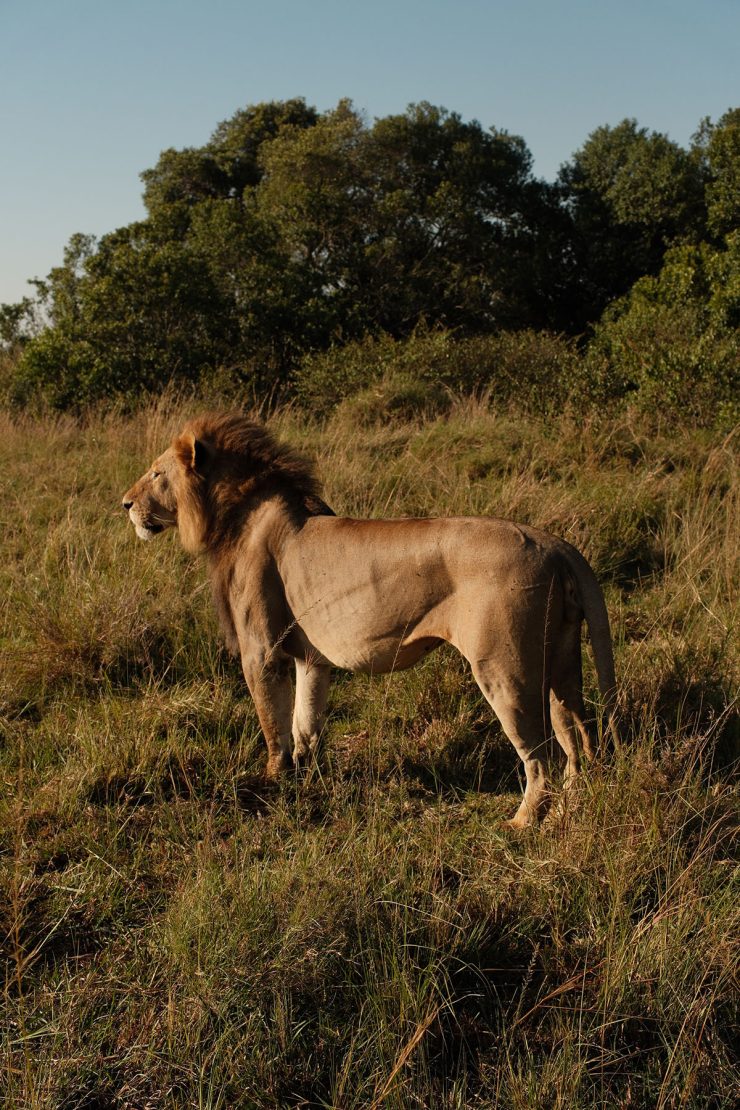
Earlier this year, I embarked on a 3 day Masai Mara Safari from Nairobi while in Kenya. It was an absolutely magical trip and I wanted to share everything I learned from the experience. Shall we dive right in?
We chose to stay at Mara Intrepids Tented camp. I wanted a camp that was within our budget and relatively close to the Mara triangle. We went at the end of August which is high season, so many lodges were already fully booked and some were incredibly expensive. Personally, I absolutely loved Mara Intrepids and would be happy to stay there again, but I had some other lodges on my list as well.
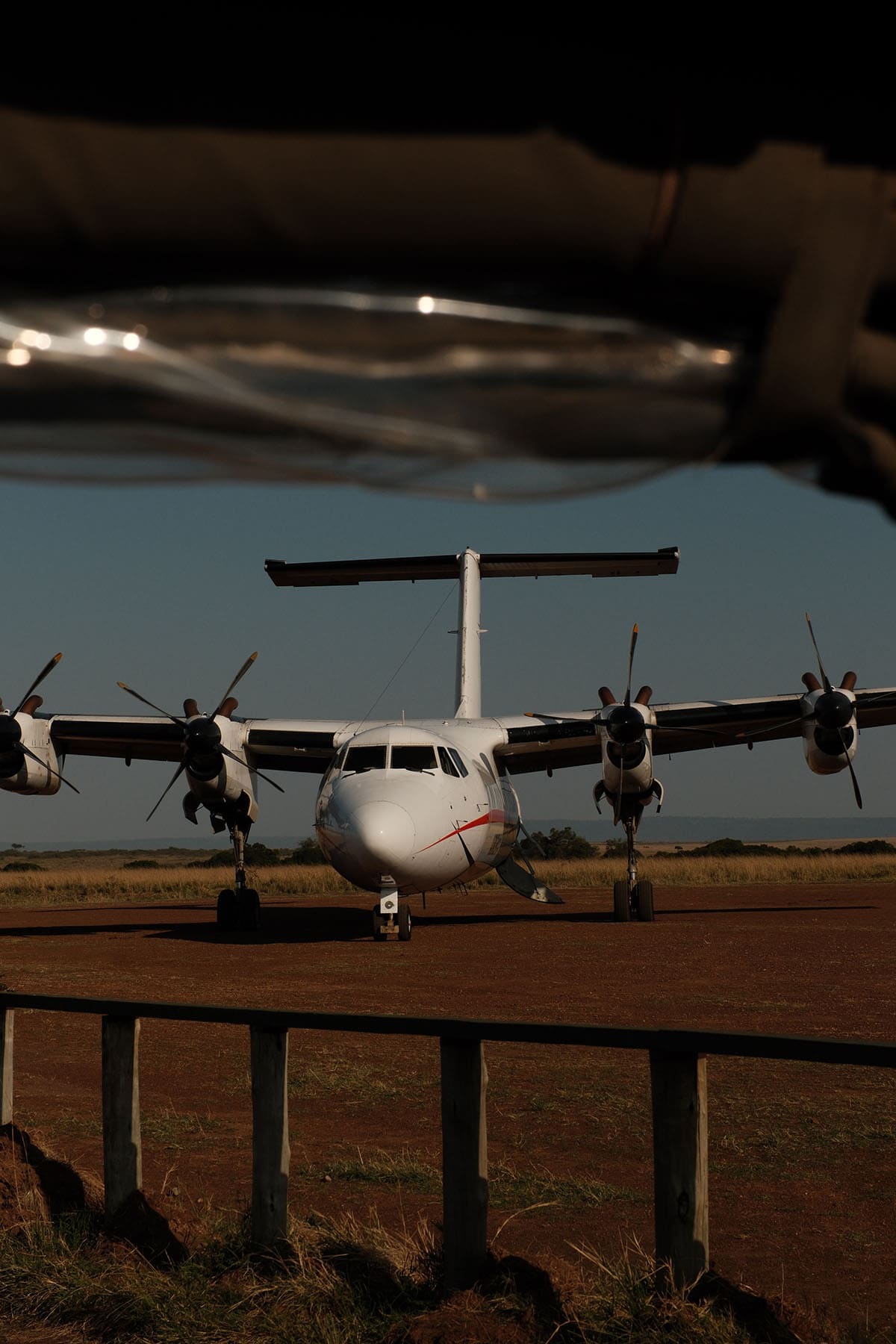
We flew out of Nairobi Wilson airport very early in the morning. Which airline you fly with depends on the airstrip closest to your camp – Olkiombo was the airstrip we flew into, with a brief stop at a neighbouring airstrip. We were lucky that the flight was picking up lots of people so the plane was a decent size. There are some tiny little planes parked at Wilson Airport!
From there, it was straight into our safari car and to the lodge. Our lodge was about a 1 minute drive from Olkiombo airstrip, but depending on where you stay you might have a bit of a drive.
Things to consider when planning your 3 day Masai Mara Safari
- First and foremost: The Masai Mara charges a hefty park fee and this is not generally included in the cost of your safari. For us (two people for three days) it was nearly $2000 Australian dollars. Consider this when budgeting for your accomodation because it can be a bit of a nasty surprise if you don’t factor it in.
- Lodge prices are a lot higher during migration crossing season and the camps that are close-by to crossing spots book up very quickly.
- When I was looking for a lodge, I was looking for one as close as I could get to the Mara triangle within our budget. Something I forgot is that safari roads are barely roads. While it might only be 20km as the crow flies, that 20km could take a whole afternoon on safari ‘roads’.
- Your driver won’t stray further from the lodge than they can within the space of your safari time. This often means they stay closer to the lodge and seek animals within that area. If you are a distance from crossing sites, they won’t drive you there.
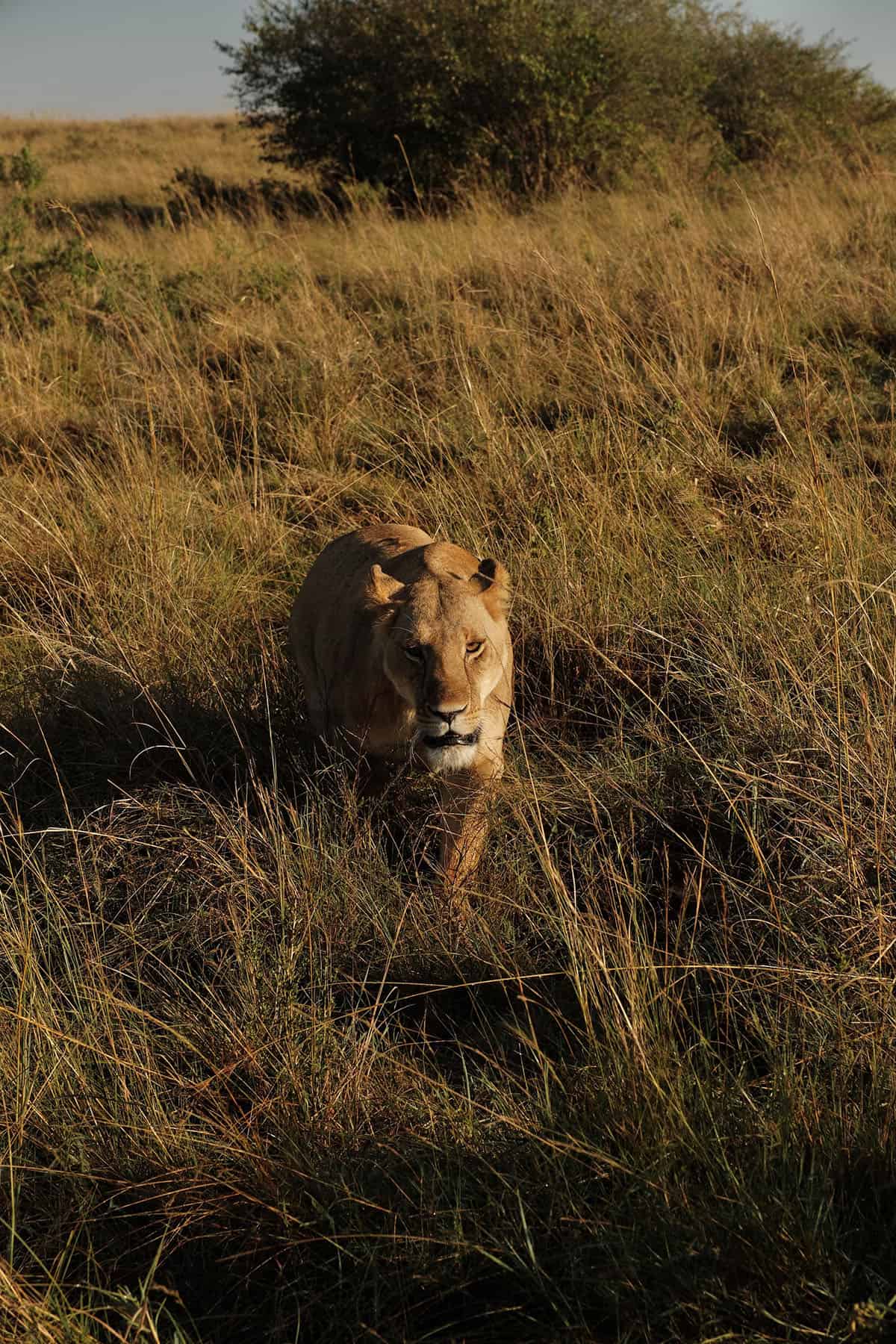
- When you’re on safari, you are often in a car with other people whose start and finish dates don’t align with yours. That means that you might have a new group midway through your trip. A new group means new people who haven’t seen the lion you saw with the last group, so oftentimes you will end up doubling up on animal sightings. You can hire your own safari guide, but that is quite an expensive route to go down.
More things to consider
- The Masai Mara is government controlled game reserve land. This means that it is illegal for safari cars to go off-road in search of animals. I have to say, I didn’t even realise because all of the cars were offroading. A guide later in our trip told us that park rangers lie in wait for a safari car to off-road before handing them a fine, but we never saw anything like that.
- If night game drives are important to you, you will need to choose a private conservancy. Game drives end at dusk in the Masai Mara and the park is closed. Private conservancies own the land they operate on, so they can offer unfettered offroading and night drives. Of course, they are generally more expensive because of this.
- I have done night drives in Sabi Sands (a conservancy in Kruger National Park, South Africa). Personally, I much prefer the morning and sunset drives but you may be different.
- You can book directly through the hotel or through a guide who may also organise flights and other transports as needed. I booked directly through the lodge, although I can concede that engaging a booking agent would be helpful if you have specific things you’d like to see. With enough time, they could likely steer you to the right lodge for the animal sightings you are looking for.
The Great Migration in the Masai Mara
We missed the Great Migration by about a week when staying at Mara Intrepids Tented camp. We stayed from 27-30 August in 2025. The crossings vary depending on weather conditions and luck. They also vary depending on where you are staying in the Mara – the reserve is absolutely huge.
If I were staying in the same area next time, I would have booked for around mid-August. On our hot air balloon safari (which was an hour drive away, through the Talek gate) a guide said the week before, the safari plain had been filled with migrating wildebeest. So, if you’re staying in early to mid August I would definitely consider a hot air balloon safari (more on this later).
We booked our safari 5 months before we went, so some of the more popular places had already booked up. Some of the safari lodges on my list included:
- Kichwa Tembo – expensive but gorgeous and right near a Migration crossing point.
- Mara Serena – extremely well regarded and in a great spot for migration spottings. It is either the only one or one of the only permanent camps in the Mara Triangle.
- Rekero Camp – right on a bend of the Talek river and overlooking a Migration crossing point.
- Governor’s Camp – directly on the Mara river bank and in a short proximity to other crossings. Governor’s also have a highly recommended hot air balloon safari which goes over and along the Mara river.
Things to consider
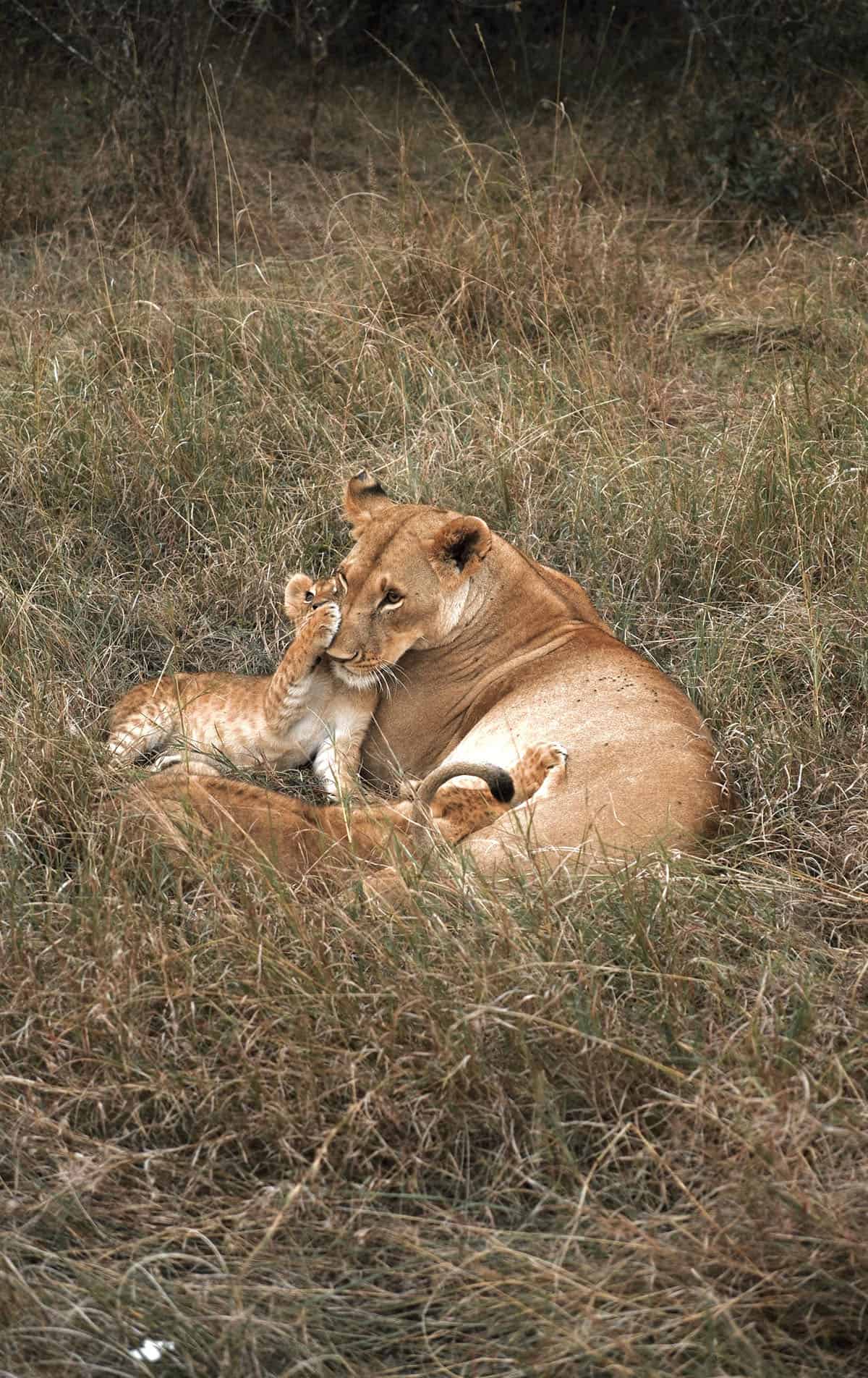
Something to consider that is (according to our guide) the other animals clear out when the wildebeest roll into town. Which makes sense – a huge heard of wildebeest would scare me off too. So, consider if you’re happy to see mainly the migration or whether you’d like to see other animals too. This might impact where you choose to stay and how close it is to the migration crossing points.
It is also worth pointing out that the migration is not a static, one way affair. The animals are moving back and forth from the Masai Mara to the Serengeti. The Wildebeest tracker is a very helpful resource that may help you pinpoint where the herd might be will you plan to visit.
When the animals move depends on so many factors – the weather being one of them. If you are super determined to see the Migration, you may need to stay for longer than 3 days or do a mobile safari. A mobile safari moves with the herd and sets up camp each night. This means you are a lot more likely to see the migration in a short amount of time.
Tips for your 3 day safari
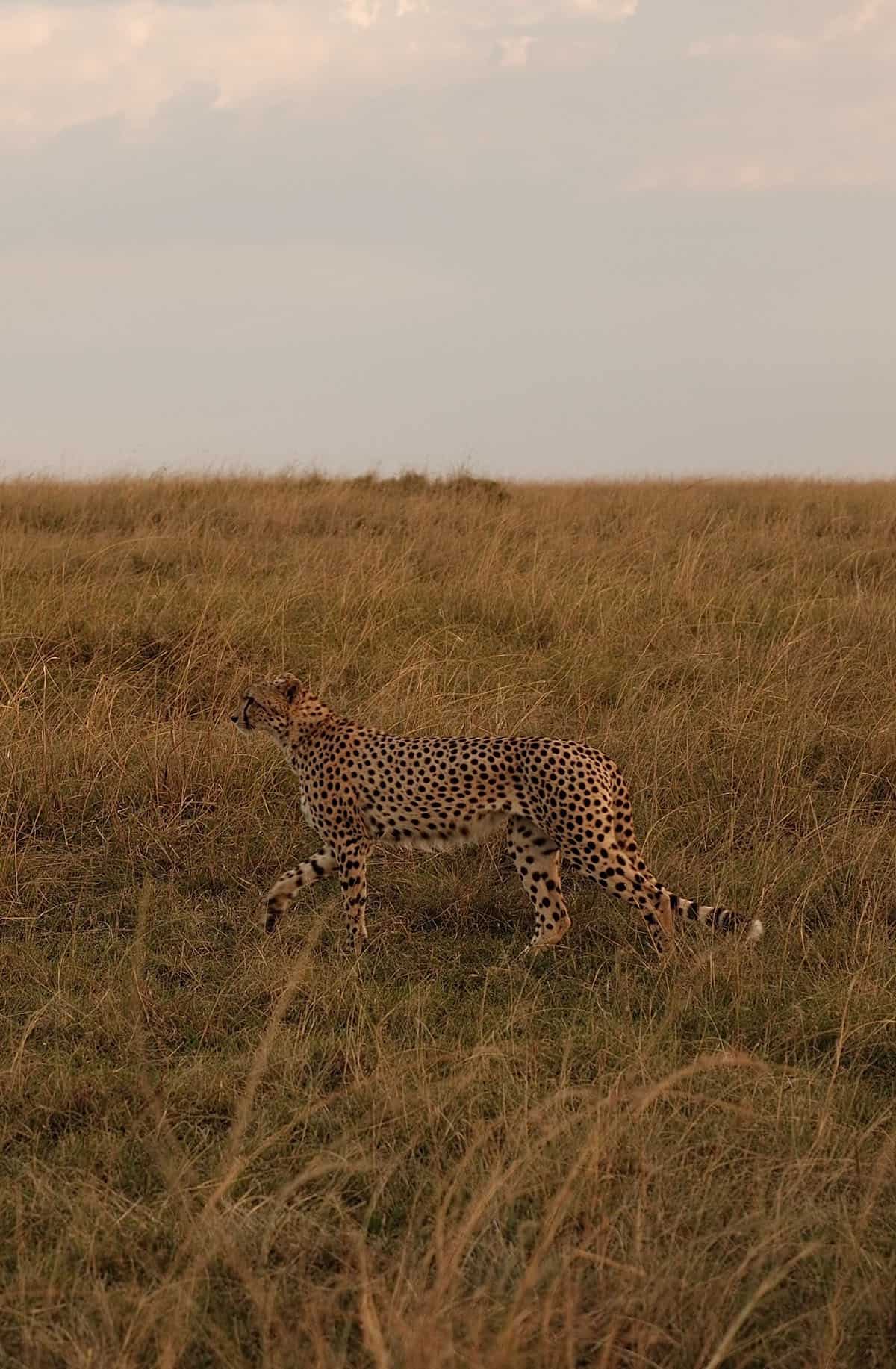
Our us, 3 days was the perfect amount of time on safari. The days are long and the roads are incredibly bumpy. While it is an absolutely unforgettable and addictive experience, you do get tired and the magic of spotting an animal wears off. For us (and we have done two safaris now) it is better to leave wanting more than to start becoming a bit ungrateful when there is a lion right in front of you!
A lot of resources online say you absolutely must wear khaki and encourage a whole new wardrobe. Where we stayed, I didn’t find the flies to be too much of an issue. I actually ended up wearing activewear because I realised I need to be comfortable on the long drives. Do bring a jacket for the morning safari, a hat for any daytime safaris and something to cover your arms, though. The colour is not critically important, so don’t stress too much about it. A caveat to the above is that I vaguely recall our guide saying that the flies were worse when the migration is in town.
We went to a Masai village and it was an important experience when visiting the Masai Mara. However, I would recommend organising this after your safari concludes. For us, it replaced a game drive and we felt that with only 3 days on safari, it would have been better to do it before or afterwards.
The same goes for sundowners (for us). We had a sundowner stop on the last night, but felt that it was a bit of a waste of our last sunset game drive. Lovely for sure, but not what you’ve come to do. If you could have a sip of some Amarula while on the move? I’d be down for that.
Hot air balloon in the Masai Mara
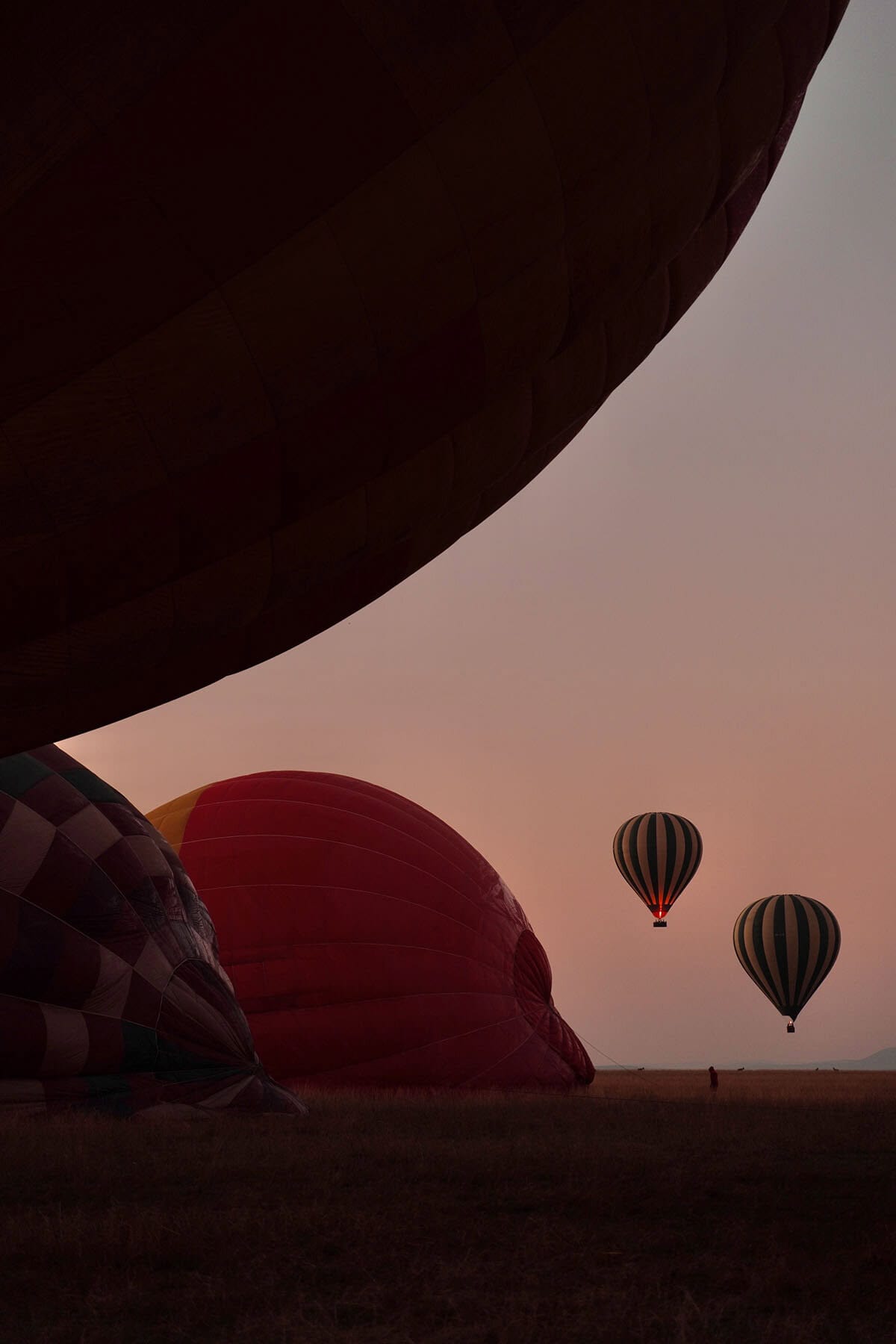
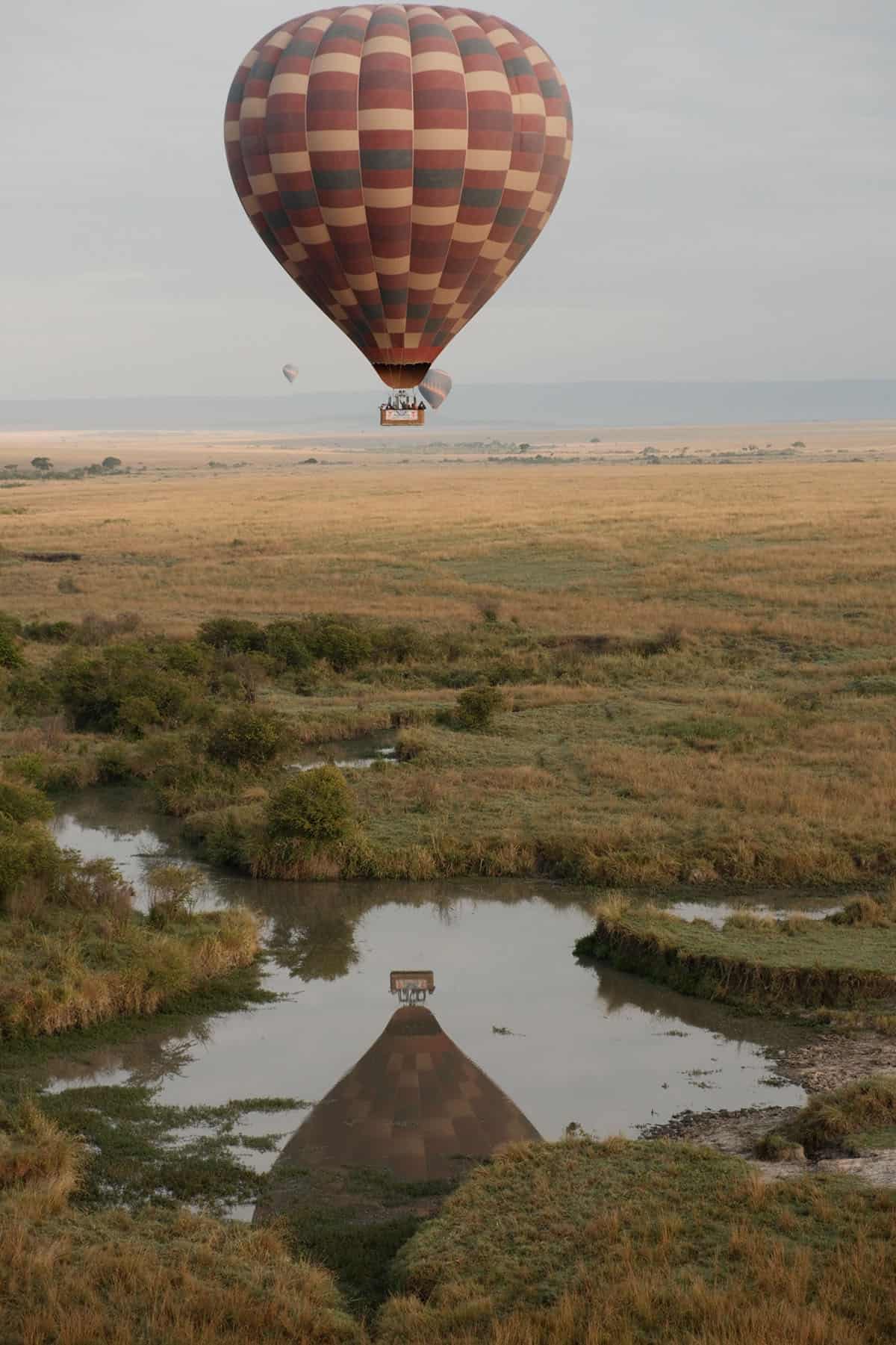
When we were in the Masai Mara, we organised a hot air balloon through our lodge. I had never done a hot air balloon before so I had no idea what to expect, but my sister had done a couple of them.
For me, it was such a fun experience because I had never done it before. My sister said that while it was a great experience, she could have gone without doing it. This depends on a few factors, though. Of course, it’s luck of the draw as to whether you will see any animals. Sometimes you say plenty, sometimes just a few. I would say that if you are right in peak migration season and in a strategic spot, it is well worth doing. Yes, it is expensive, but seeing the migration from the sky would be a magical experience.
- Research the hot air balloon company and book with one in a strategic location if you are going during migration season. It didn’t occur to me to research the balloon company but there are better locations for viewing the migration.
- You need to book the strategic balloon safaris well in advance for the migration.
- Our balloon safari cost around $1500 Australian dollars for both of us. It’s an expensive add on to an already expensive trip. If you’re not going during migration and are on a budget, I’d say that a great morning safari is equally as magical. Don’t stress about missing it.
- If you are set on going with a particular balloon company, book a safari lodge nearby. It is a very early morning – from memory we were up at around 4.30-5am.
- Consider your mobility when booking – our balloon required that we get in and out by sliding in and lying down. This might not be right for everyone, so check what sort of entry your balloon company has.
More Kenya resources
- Guide to Mombasa
- Guide to Lake Naivasha
- Nairobi itinerary (coming soon)
- Kenya Itinerary (coming soon)
No Comments